
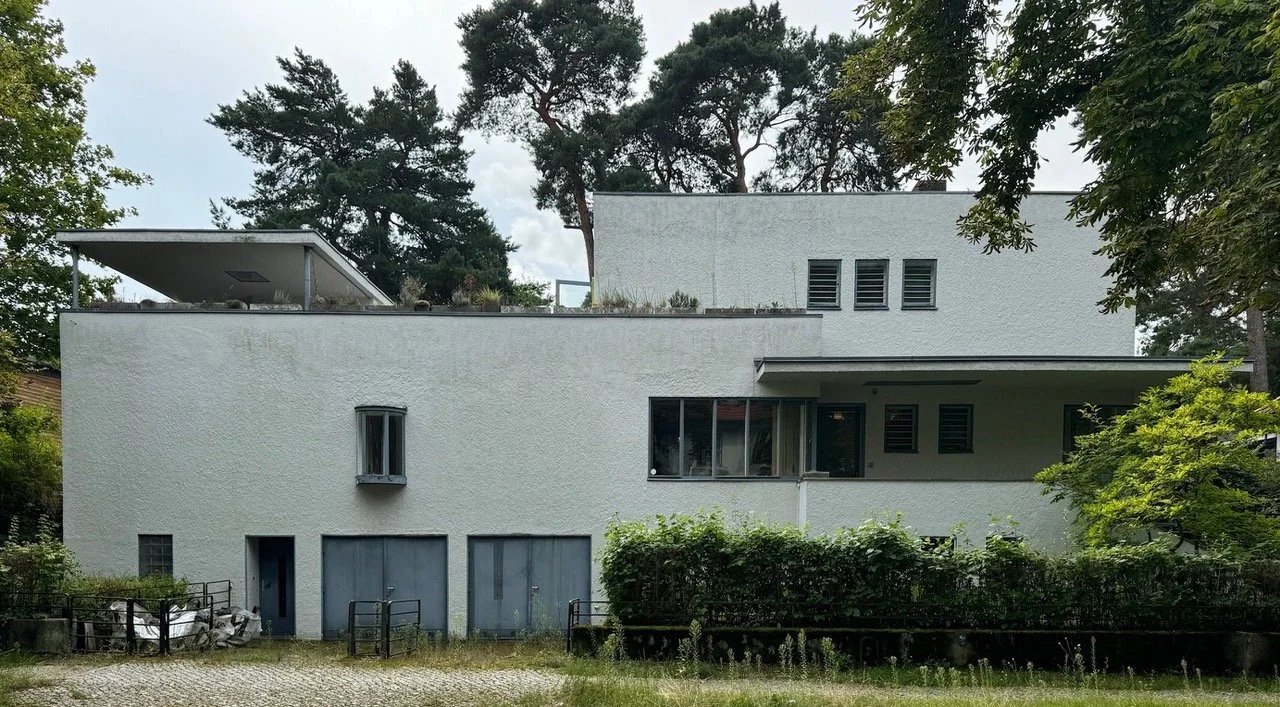
“Behrens described the design as intended “to express the simplicity of the occupant’s character”.”
Lewin House, Berlin-Schlachtensee, Germany
The Lewin House, built in 1929 at Waldsängerpfad 3 in Berlin-Schlachtensee, is a historically and architecturally significant private residence of the late Weimar Republic. Designed by Peter Behrens for Kurt and Gertrude Lewin, with interior design and furniture by Marcel Breuer, the house is both an important example of Neues Bauen and a protected monument documenting the fate of its inhabitants during the Nazi period, including acts of civilian resistance within a Nazi enclave.
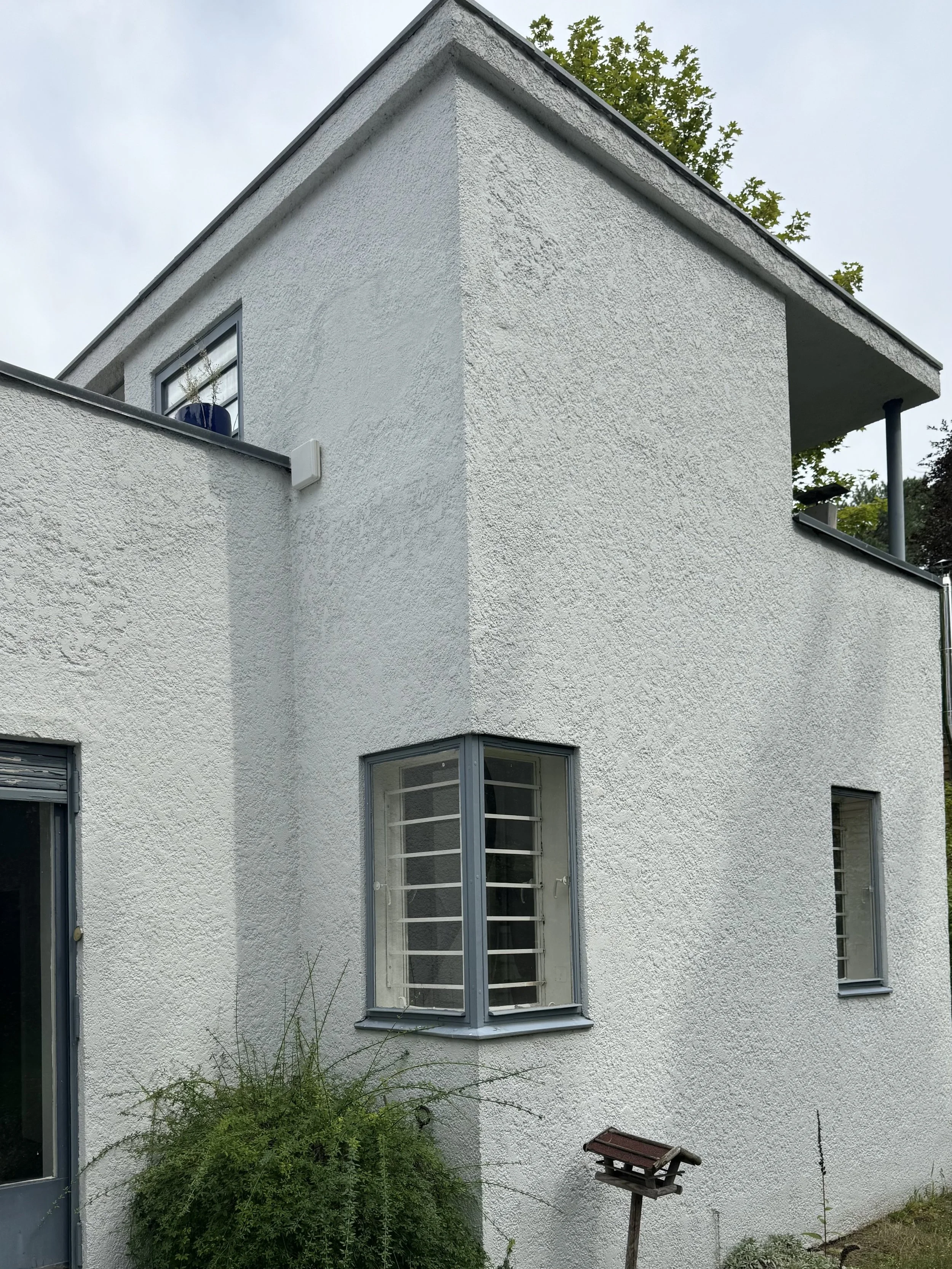
The house was commissioned by Kurt Lewin, who had held a professorship in philosophy and psychology at Berlin University since 1927 and later became one of the most influential figures in social and child psychology. In addition to the main residence, the program included a small independent apartment—described in different sources either as a granny flat for Lewin’s brother-in-law or as accommodation for the Lewins’ daughter. Behrens, who was recovering from a prolonged illness and attempting to revive his architectural practice, was selected in part because of the comparatively low fee he requested (Marcel Breuer. Furniture and Interiors, MOMA, 1981, p. 92).
Historical Monument Awaiting Preservation
This late work by the then 61-year-old Behrens—already internationally renowned as a designer and artistic advisor to AEG before the First World War—is among the few houses in which he consistently adopted the principles of Neues Bauen. With the Lewin House, Behrens demonstrated that he, like his former collaborators and students Walter Gropius, Adolf Meyer, and Ludwig Mies van der Rohe, who had worked in his Neubabelsberg office in Berlin, was able to implement modernist design principles with exceptional clarity and radical consistency, down to the smallest detail.
Architecture and Garden
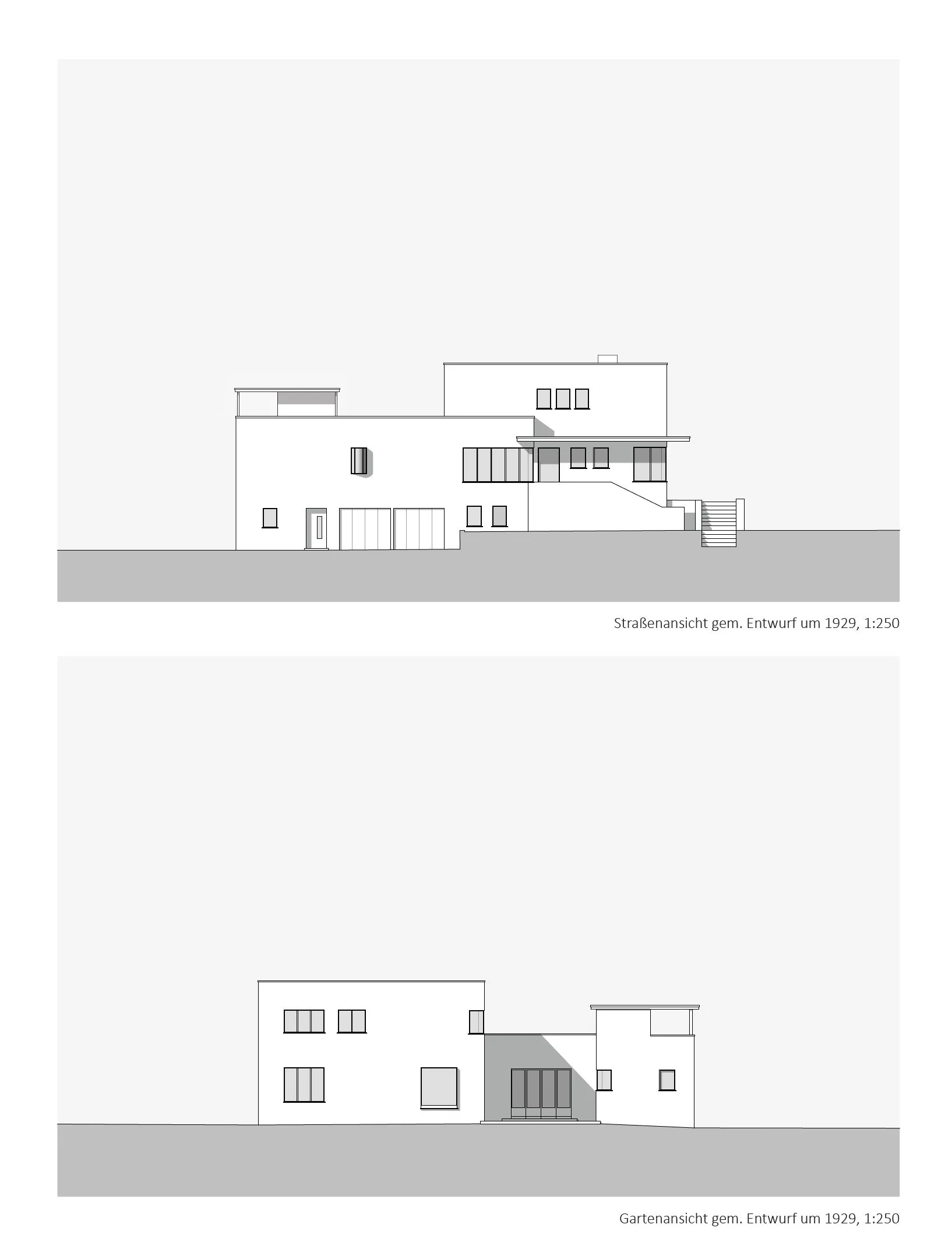
The house is composed of asymmetrically arranged, interlocking cubic volumes and is organized around a rigorously functional floor plan. Behrens described the design as intended “to express the simplicity of the occupant’s character.” As in the modular approach later employed by Gropius in the Dessau Masters’ Houses, geometric bodies—cuboids and cubes—are combined to produce a variable architectural composition that clearly expresses the division of the plan into two parts, even in the external appearance.
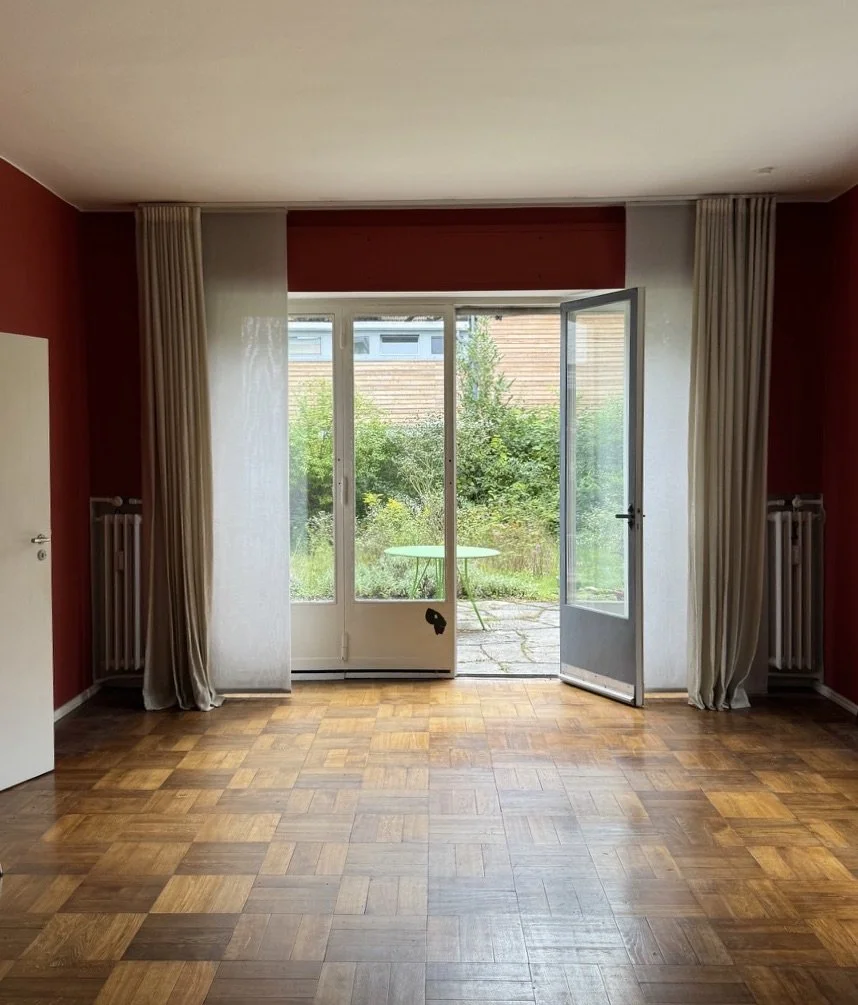
Key features include flush-mounted steel windows, flat roofs, roof and garden terraces, and a strong orientation toward sunlight, all of which reflect the principles of Neues Bauen. Making deliberate use of the site’s topography, Behrens embedded the elongated structure into the terrain, creating a raised basement on the street side. This level accommodates the entrance to the auxiliary apartment as well as two garages. As a result, the living spaces of both apartments open at ground level directly onto the garden through wide glazed doors.
“Key features include flush-mounted steel windows, flat roofs, roof and garden terraces, and a strong orientation toward sunlight, all of which reflect the principles of Neues Bauen. ”
The single-story auxiliary apartment forms its own distinct building volume adjacent to the two-story main house. The two parts are connected only by a large, partially covered roof terrace, emphasizing both functional independence and spatial cohesion. According to the Lewins’ vision, the modernity of the house was to be fully reflected not only in its exterior form but also in its interior design.
Marcel Breuer’s Contribution
After completion of the shell, the clients reportedly lost confidence in Behrens, finding elements of the design too unconventional; notably, the original plans did not include a kitchen (Marcel Breuer, p. 92). While the building was largely executed according to Behrens’s design, Marcel Breuer was subsequently commissioned to revise aspects of the floor plan and to design the interior and furnishings.
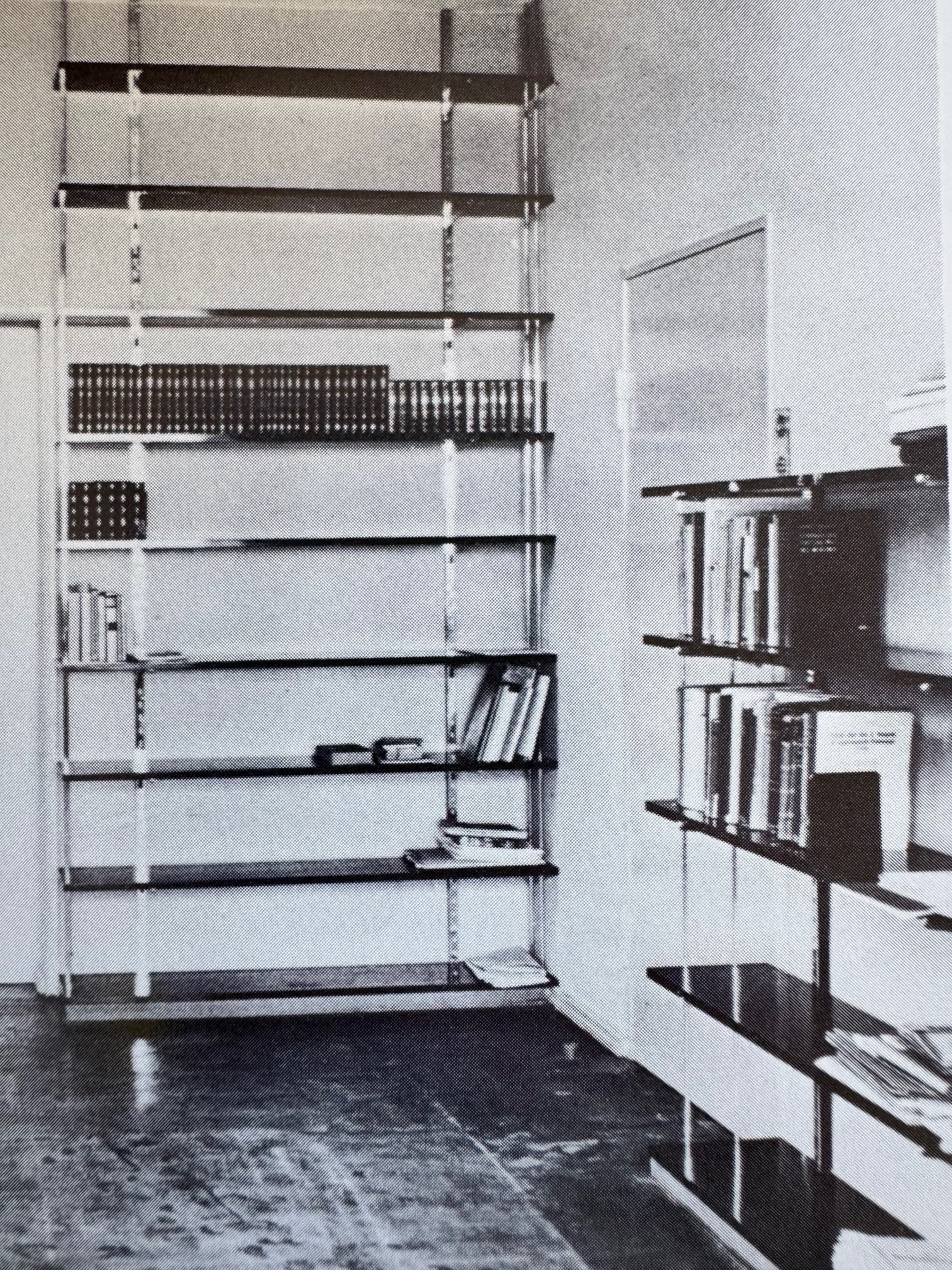
Historic photos from Marcel Bauer. Furniture and Interiors, MOMA calalogue, 1981, p. 92.
At the time, Breuer had recently left the Bauhaus and maintained his own architectural office in Berlin. His interior concept emphasized a distinctly functional character that complemented the clarity of Behrens’s spatial organization. “The living room was filled with furniture already in the client’s possession. The new rooms with modern furnishings were the dining room, study, and bedrooms.” (Marcel Breuer, p. 92)
““The living room was filled with furniture already in the client’s possession. The new rooms with modern furnishings were the dining room, study, and bedrooms.” ”
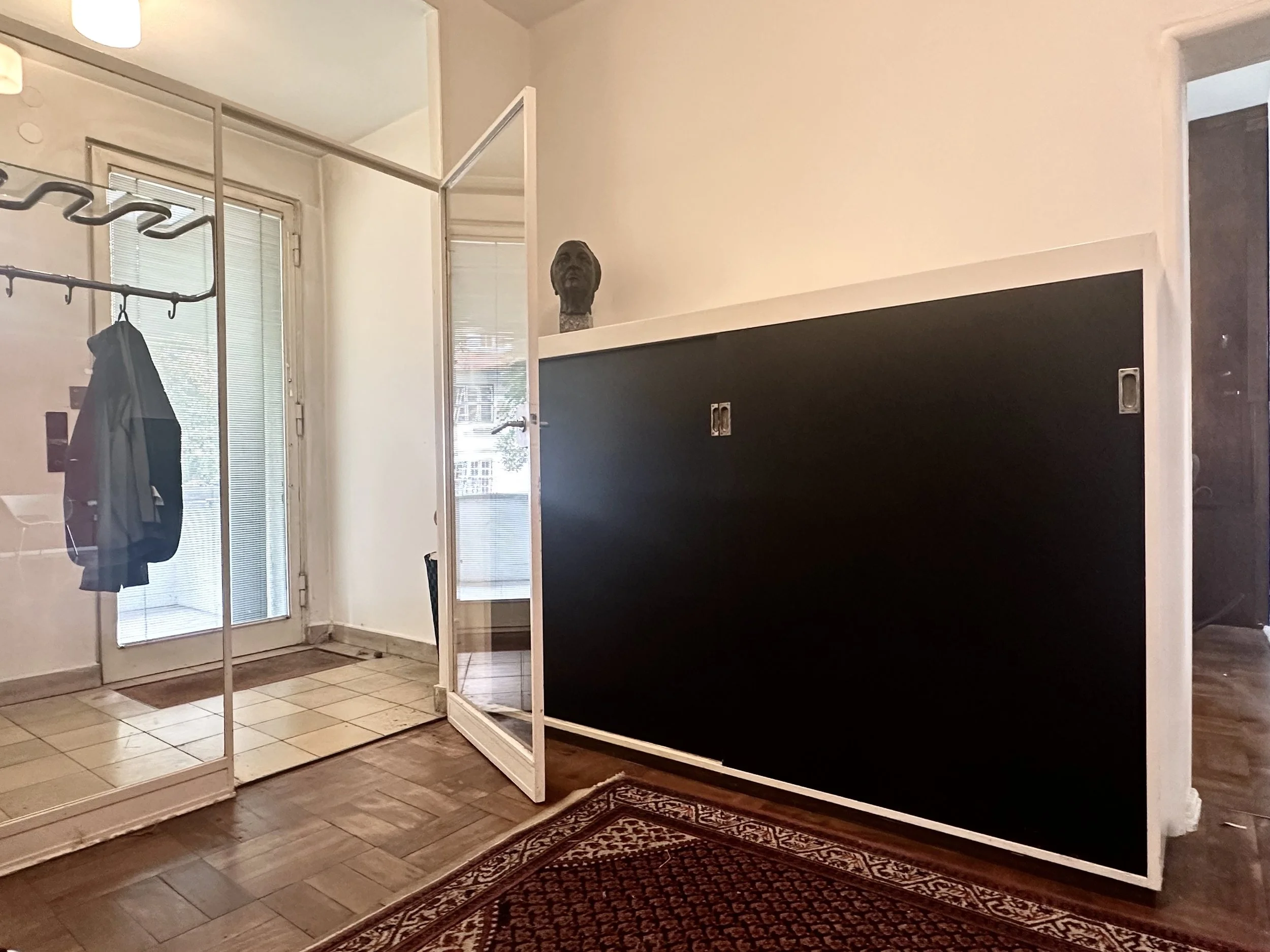
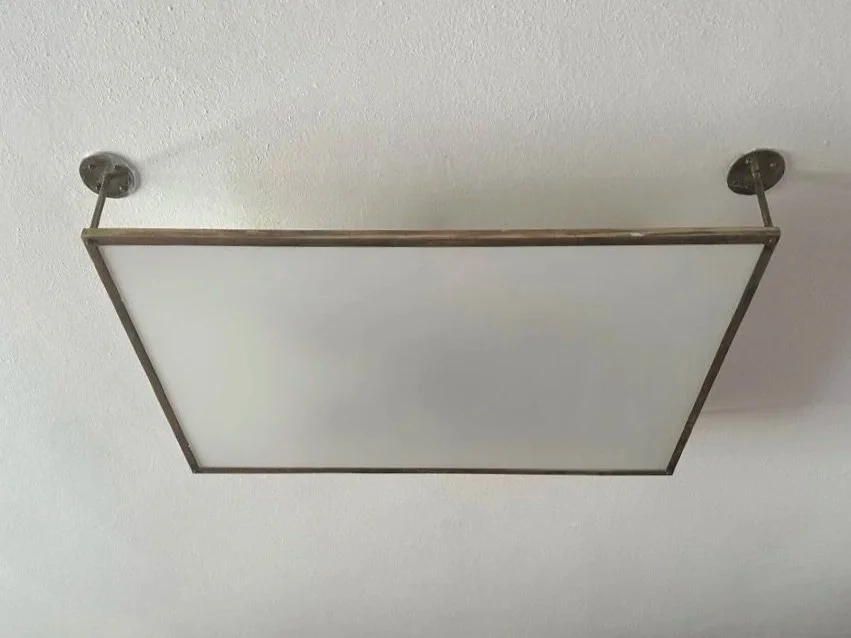
Breuer designed built-in furniture, shelving systems, ceiling lamps, and fittings, and furnished the house extensively with tubular steel furniture of his own design, much of it intended for mass production. The completed interior resulted in a modern upper-middle-class residence that embodied the progressive lifestyle of a liberal Jewish bourgeois household in the late 1920s.
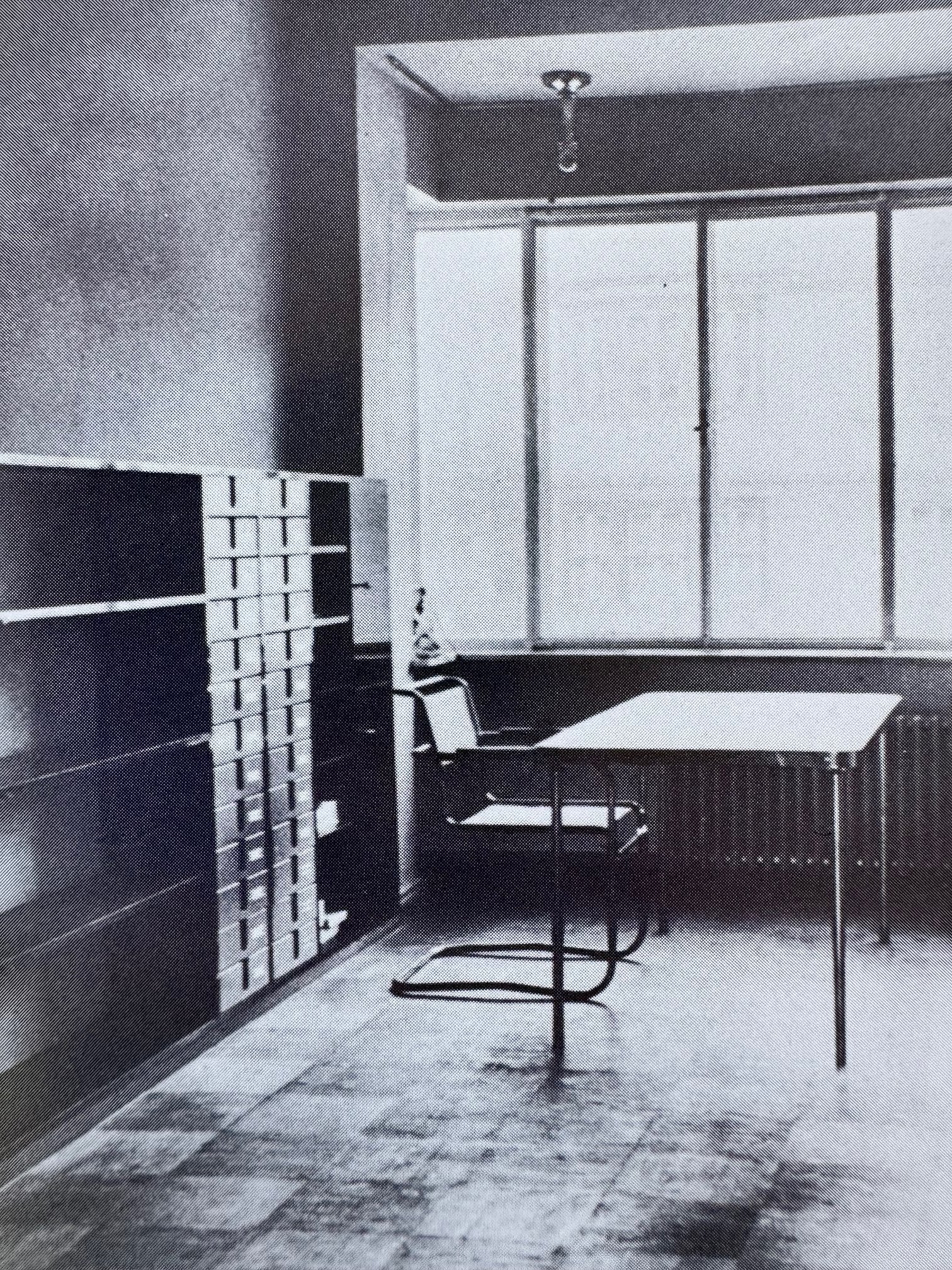
Historic photos from Marcel Bauer. Furniture and Interiors, MOMA calalogue, 1981, p. 92.
After 1933
The Lewins were able to occupy the house only briefly. Following the National Socialist seizure of power in 1933, Kurt Lewin, as a Jewish scientist, was no longer permitted to practice his profession in Germany and emigrated to the United States. In 1934, the house was sold to the German actress Gertrud (Trude) Wisten and her husband Fritz Wisten, an Austrian-Jewish actor, director, and artistic director of the Jewish Cultural Association (Jüdischer Kulturbund), who later became artistic director of the Theater am Schiffbauerdamm and the Volksbühne.
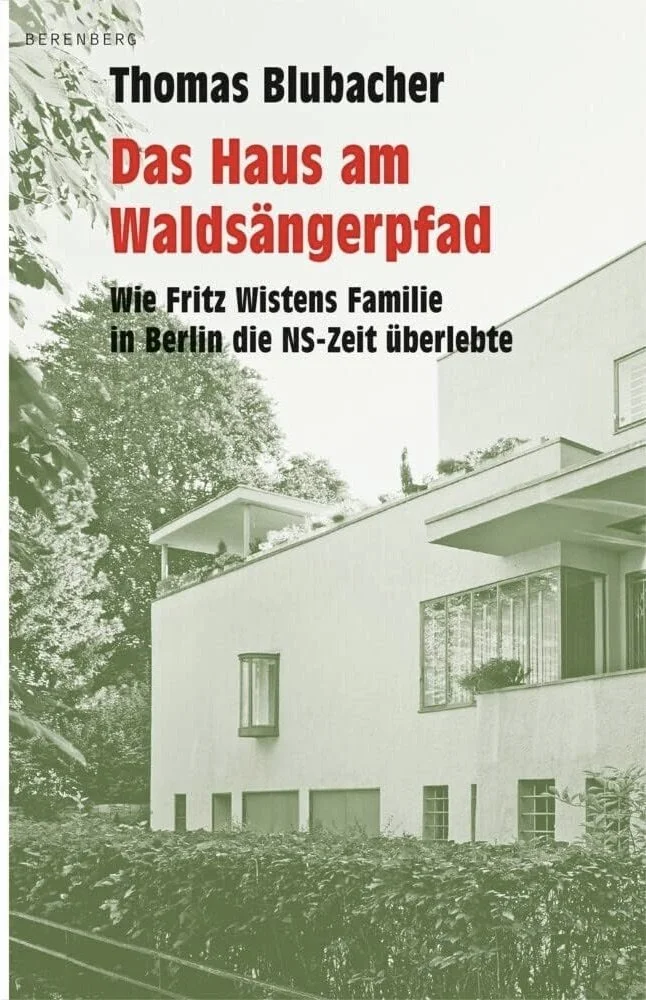
During the Nazi period, the Wisten family provided refuge in the house for persecuted Jews. Fritz Wisten survived the Nazi era in Berlin under exceptional circumstances. A detailed account of this period is presented in the book Das Haus am Waldsängerpfad (2020), which recounts the family’s experiences through the memories of the Wistens’ two daughters and documents how Nazi officials and persecuted individuals often lived side by side on the outskirts of Berlin.
Wisten was deeply involved in the Jewish Cultural Federation, which operated under the direct supervision of Hans Hinkel, State Commissioner and Reich Culture Administrator. For many artists, the organization—tolerated until the pogroms of November 1938—represented professional and existential survival. After its dissolution, many remaining artists were arrested. Fritz Wisten was deported to Sachsenhausen concentration camp but was released due to his perceived indispensability to the Federation and the intervention of Admiral Wilhelm Canaris. His non-Jewish wife was denounced, sentenced to forced labor, and imprisoned. Planned emigration by the family ultimately failed, but they both survived this time.
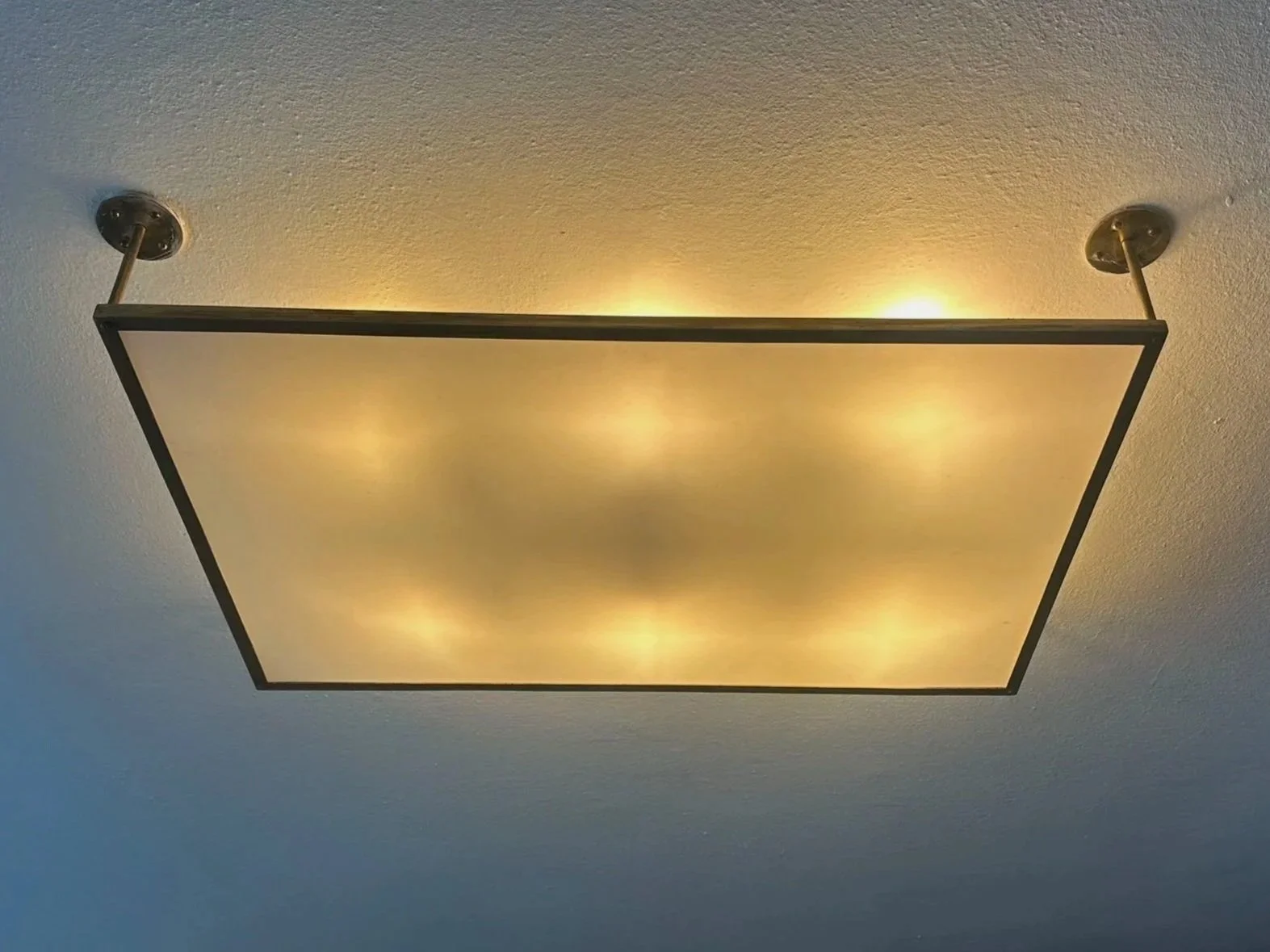
lamp
Among those sheltered by the Wistens was the Austrian-Jewish actor and theater director Alfred “Freddy” Balthoff. Jewish, homosexual, and in a relationship with a Wehrmacht soldier, Balthoff survived the Nazi period in hiding in the house at Waldsängerpfad, along with other friends. After the war, he became a prominent stage and voice actor, known internationally for delivering the closing line—“Nobody’s perfect”—in the German version of Billy Wilder’s Some Like It Hot. During the war, Balthoff even clandestinely attended a theater premiere at the Schauspielhaus am Gendarmenmarkt in 1941 together with Wisten’s daughter Susanne.
Postwar Use and Current Condition
The house survived both the Second World War and the subsequent division of Berlin. After 1945, it was used by the East German government for childcare purposes. Despite these later adaptations, a remarkable amount of original fabric has been preserved.
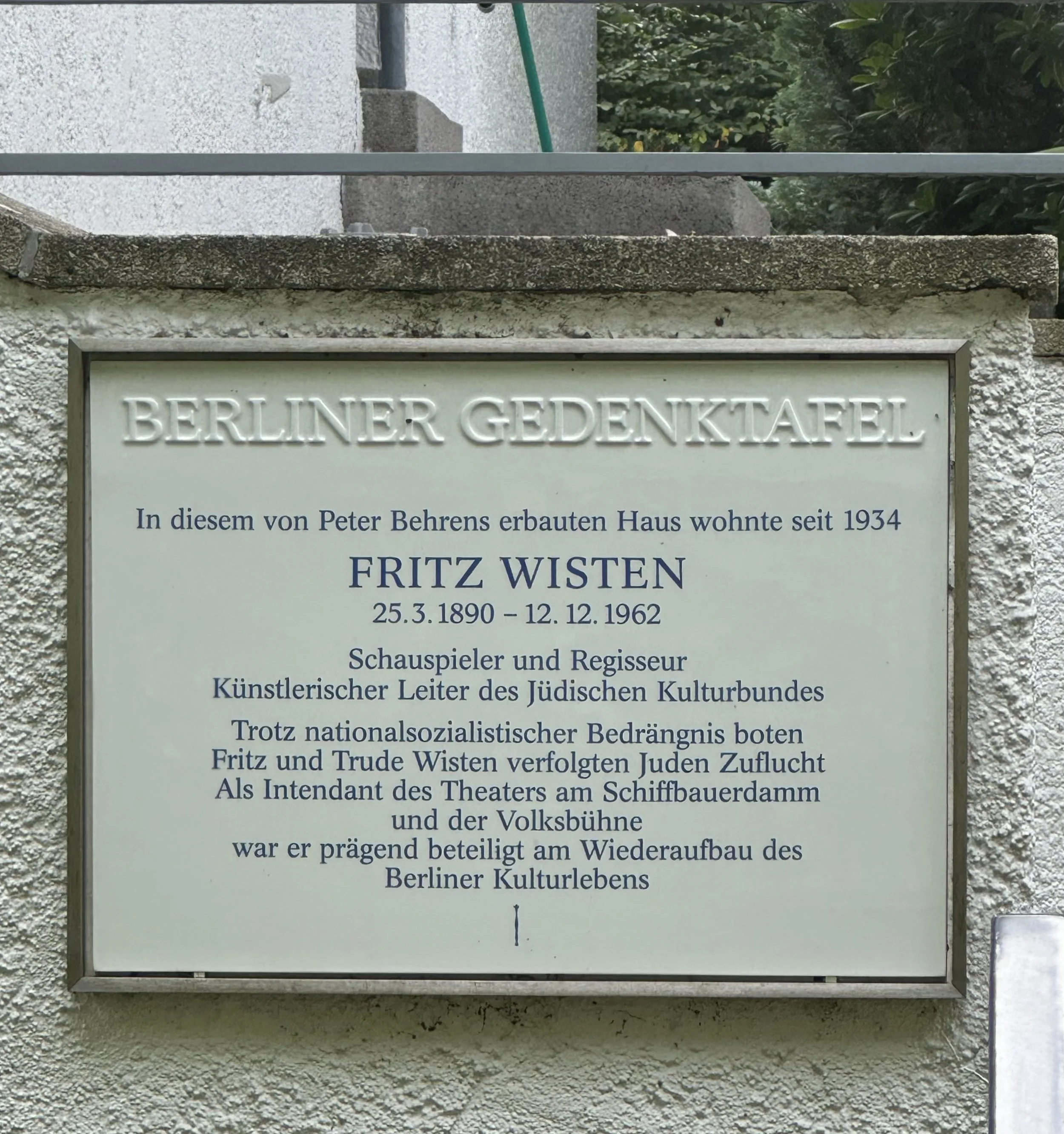
Today, the original walnut parquet floors remain in use and in good condition, showing only signs of age-appropriate patina. Numerous built-in furnishings, ceiling lamps, and other original fixtures by Marcel Breuer are still intact, as is the solid wood library in the study. The living room features a distinctive semicircular window facing the street, an unusual Bauhaus-era detail and a notable architectural feature.
“As a rare synthesis of modernist architecture, interior design, and documented social history under National Socialism, the Lewin House represents an exceptional cultural monument and an urgent case for careful preservation.”
Color photography by Content Production and the author
For sale by our realtor collegues Florian and Katja Koch @kochandfriends, www.kochandfriends.de
